




Interesting Facts About the History of the Word Mascot
The word "mascot" is a very familiar part of everyday language, but its history and the way it is used today are more interesting than most people realise, and the meaning has shifted considerably over time as culture has changed around it, taking on new associations in sport, business and public life.
Where the word comes from
The term is usually defined as any animal, person, character or object perceived as bringing luck to an organisation or group. The word itself is derived from French, where in the Middle Ages it generally referred to an object seen as bringing good fortune to a household or family, long before it had anything to do with sport, business or costumed characters of any kind.
From good luck charm to costumed character
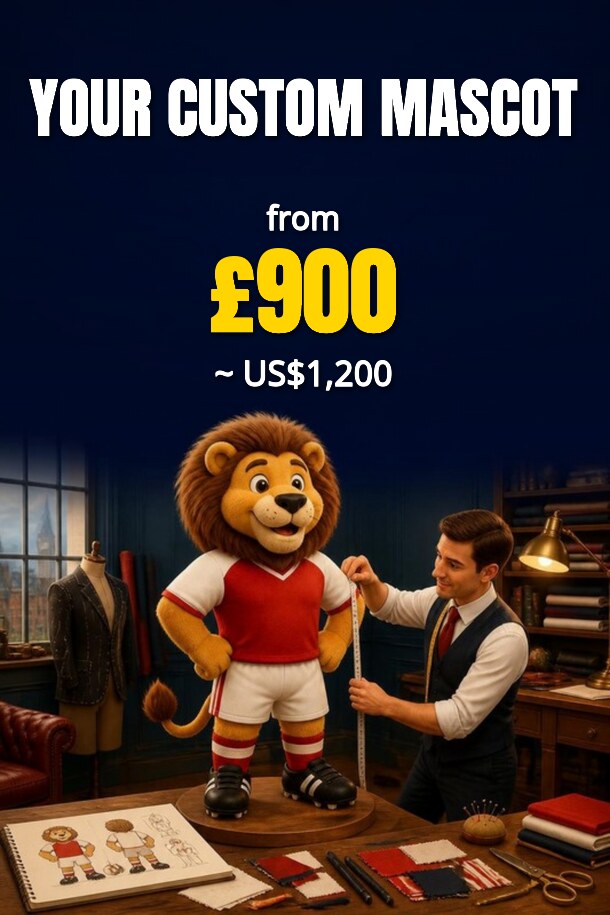
Today, most people understand the term in a more contemporary sense, typically referring to a person dressed in an exaggerated cartoon-style costume. This use has become closely associated with sports teams, academic institutions, and commercial organisations, and has come to define many global sporting and commercial occasions in the process of its evolution over the past century or so.
Real animals as mascots
Sometimes real animals are used as mascots, a practice especially popular with military units. Various British Army units have long-standing associations with animals, and similar traditions exist in other armed forces around the world, showing how the idea has taken different forms across cultures and centuries of military tradition, each with its own local variations.
Mascots in football
One sport with a slightly different take on the idea is football, where many children act as mascots for the team they support, wearing the club kit and walking onto the pitch with the players before kick-off. This tradition has spread widely, and children often accompany players out onto the field for major matches around the world today, from local leagues to international competitions.
Not without controversy
The idea has not been entirely free from controversy. There have been isolated incidents of mascots clashing with each other at events, and in North America there has been considerable debate over mascots based on ethnic identities, with attitudes shifting significantly since the 1970s towards more inclusive representation and more thoughtful design choices.
Mascots and fundraising
In recent years, costumes have also become associated with fundraising, with people choosing to be sponsored for running events while wearing a mascot outfit. It is a fun way to raise money for good causes, though costumes can be heavy, so proper preparation is worth taking seriously beforehand, particularly for longer events, and it is well worth practising in the costume before the day itself.
The idea of a mascot clearly taps into something deeply rooted in how people connect with events and organisations, whether that connection is built on luck, loyalty, humour, tradition or simple curiosity about a character in costume. If you would like to bring that same connection to your own group, browse our range of mascots or contact SpotSound to request a quote.